

Published By Peter Davies
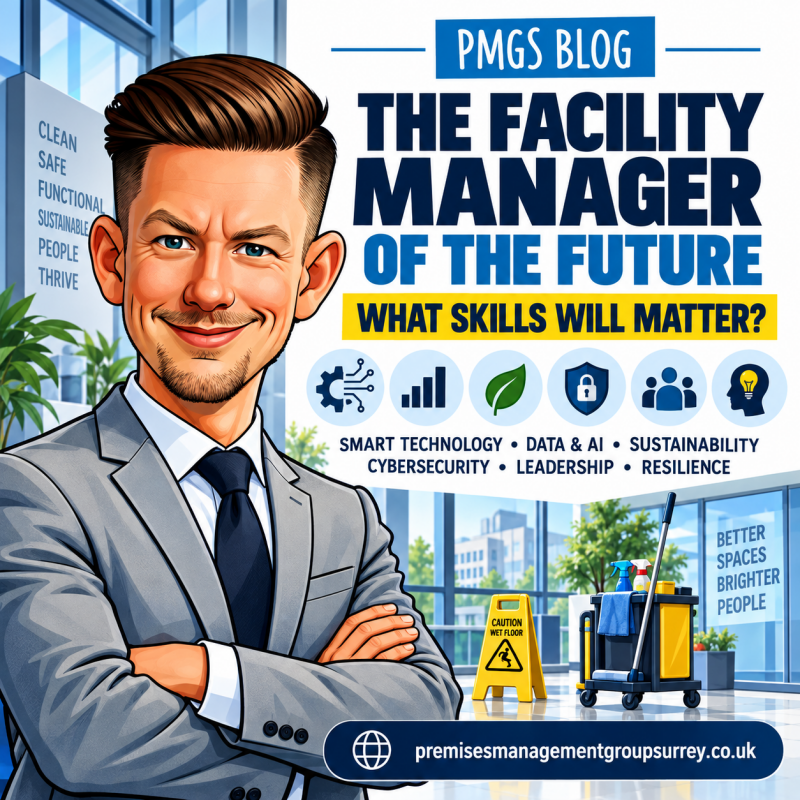
The Facility Manager of the Future: What Skills Will Matter?
If someone were starting their FM career today, what would they need to learn that wasn’t as important ten years ago?
Facilities management has always required practical knowledge, organisation and the ability to solve problems quickly. However, the role is changing.
A modern Facilities Manager is no longer responsible only for buildings, maintenance and contractors. They are increasingly expected to understand technology, sustainability, data, cybersecurity, workplace wellbeing and organisational resilience.
For someone beginning an FM career today, technical knowledge remains essential—but it must now be combined with a much wider range of skills.
1. Digital and Smart-Building Technology
Facilities Managers increasingly work with digital systems that monitor and control buildings.
These may include:
- Building Management Systems
- Computer-Aided Facilities Management software
- Digital compliance records
- Smart energy meters
- Occupancy sensors
- Automated access-control systems
- Remote monitoring technology
- Internet-connected equipment
Future Facilities Managers will need to understand how these systems operate, how to interpret the information they produce and how technology can improve safety, efficiency and the experience of building users.
They do not necessarily need to become IT specialists, but they must be confident using technology and willing to keep learning as systems develop.
2. Data Analysis and Evidence-Based Decisions
Ten years ago, many FM decisions were based mainly on experience, routine and visual inspections. Experience remains extremely valuable, but modern facilities management increasingly relies on data.
Facilities Managers may now analyse:
- Energy and water consumption
- Maintenance costs
- Equipment failure patterns
- Helpdesk response times
- Building occupancy
- Contractor performance
- Cleaning standards
- Compliance inspection results
Understanding this information allows FM teams to identify trends, plan preventative maintenance and provide stronger evidence when requesting investment.
The ability to turn data into a clear business case will become one of the most valuable skills in the profession.
3. Sustainability and Environmental Management
Sustainability is no longer an optional addition to facilities management. It is becoming a central responsibility.
Future Facilities Managers will need to understand:
- Energy efficiency
- Carbon reduction
- Waste management
- Water conservation
- Sustainable procurement
- Building performance
- Environmental reporting
- Climate resilience
They will also need to balance environmental ambitions with budgets, operational requirements and the needs of building users.
The strongest FM professionals will be those who can turn sustainability targets into practical improvements across an estate.
4. Artificial Intelligence and Automation
Artificial intelligence is beginning to influence maintenance planning, energy management, reporting, customer service and administrative processes.
AI may help FM teams to:
- Predict equipment failures
- Identify unusual energy consumption
- Produce draft reports and documents
- Prioritise maintenance requests
- Analyse large amounts of building data
- Automate repetitive administrative work
However, Facilities Managers must also understand the risks. Information must be checked, sensitive data must be protected and important safety decisions must always involve appropriate human oversight.
The future will not simply be about using AI. It will be about using it responsibly.
5. Cybersecurity Awareness
As buildings become more connected, cybersecurity becomes part of building security.
Access-control systems, CCTV, alarms, heating controls and other building technologies may all be connected to computer networks. A cyberattack could therefore affect both information and physical operations.
Facilities Managers should understand:
- Secure passwords and access permissions
- The risks of internet-connected equipment
- Software updates
- Data protection
- Supplier security
- Incident reporting
- Business-continuity arrangements
Close cooperation between FM and IT teams will become increasingly important.
6. Emergency Planning and Organisational Resilience
Modern facilities teams must prepare for a wider range of disruptions.
These could include:
- Extreme weather
- Flooding
- Power failures
- Cyber incidents
- Supply-chain problems
- Public-health emergencies
- Security threats
- Major equipment failures
Facilities Managers must be able to assess risks, develop contingency plans and help organisations continue operating during difficult circumstances.
The ability to remain calm, communicate clearly and coordinate an effective response will remain essential.
7. Communication and Leadership
Modern Facilities Managers work with senior leaders, employees, contractors, visitors, customers and building users.
They must be able to explain technical information in a way that different audiences can understand. They may also need to challenge unsafe practices, justify expenditure and manage difficult conversations.
Important leadership skills include:
- Clear communication
- Active listening
- Negotiation
- Conflict management
- Team development
- Contractor management
- Decision-making
- Emotional intelligence
Technical knowledge may help someone enter the profession, but strong communication and leadership will help them progress.
8. Inclusive and People-Centred Facilities Management
Facilities management is ultimately about creating environments in which people can work, learn and access services safely.
Future professionals will need a stronger understanding of:
- Accessibility
- Neurodiversity
- Mental health and wellbeing
- Inclusive workplace design
- Safeguarding
- Different cultural and personal needs
- The overall experience of building users
A building can be technically compliant while still being difficult or uncomfortable for some people to use. Successful FM teams will listen to building users and consider how the environment affects them.
9. Commercial and Financial Awareness
Facilities Managers must understand the financial impact of their decisions.
They need to develop skills in:
- Budget management
- Procurement
- Tender evaluation
- Contract management
- Lifecycle costing
- Supplier performance
- Risk management
- Demonstrating value for money
The cheapest option is not always the best option. Future Facilities Managers must be able to consider safety, quality, reliability, sustainability and long-term cost before making recommendations.
10. Continuous Professional Development
Perhaps the most important skill will be the willingness to keep learning.
Technology, legislation, workplace expectations and environmental standards will continue to change. Qualifications and training provide an important foundation, but professional development should continue throughout an FM career.
This may involve:
- Formal qualifications
- Industry training
- Professional memberships
- Mentoring
- Networking
- Practical experience
- Learning from incidents
- Sharing knowledge with other professionals
No Facilities Manager can know everything. The best professionals understand where their knowledge ends and when specialist advice is required.
The Future of the Profession
The Facilities Manager of the future will combine practical experience with digital confidence, environmental responsibility, commercial awareness and strong people skills.
The fundamental purpose of facilities management will remain the same: keeping people, buildings and services safe, compliant and operational.
What is changing is the range of knowledge required to achieve that purpose.
For anyone starting an FM career today, the message is clear: learn the practical foundations, embrace technology, understand people and never stop developing.
The profession is evolving—and those who evolve with it will have an important role in shaping safer, smarter and more sustainable places.
PMGS – Premises Management Group Surrey
Excellence in Premises Management for a Stronger Tomorrow.
Website: www.premisesmanagementgroupsurrey.co.uk
Email: info@premisesmanagementgroupsurrey.co.uk
Add comment
Comments